




1 min read
A transformation of healthcare
For a long time, genomics was mainly a research tool. With the project “PFMG2025”, France wants to bring whole genome sequencing into everyday patient care.
Problem
Many patients, especially those with rare diseases, spent years without a diagnosis despite multiple tests. In cancer care, treatments were often not tailored to each patient’s biological profile.
Solution
PFMG2025 introduced a national infrastructure designed to:
- analyze patients’ genomes
- interpret results through multidisciplinary expertise
- reuse data to support research and innovation
What changed
- 1 in 3 patients with rare diseases receives a genetic diagnosis
- Most cancer patients show actionable genomic alterations
- Clinical decisions are increasingly personalized
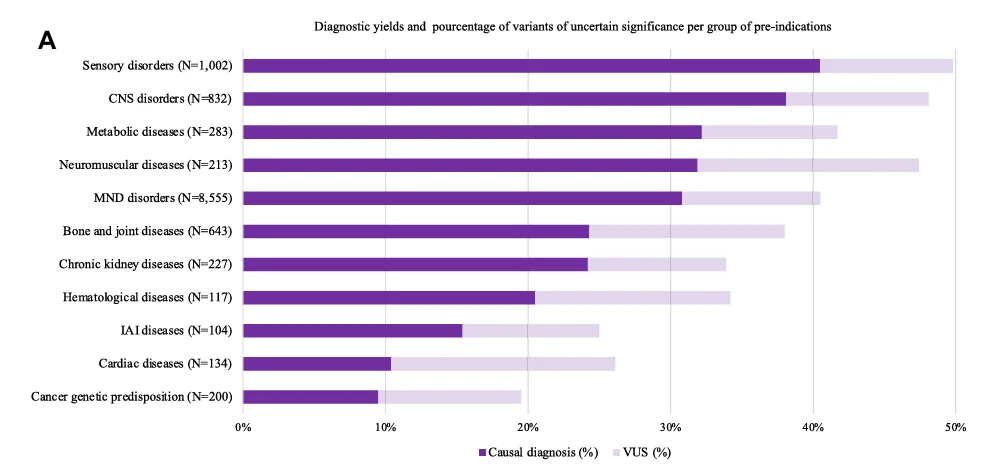
Diagnostic yields
Diagnostic yields (purple) and VUS levels (mauve) presented per group of indications, after exclusion of groups with less than 100 patients; (CNS: central nervous system disorders, MND: malformations and/or neurodevelopmental disorders, IAI: immunological and autoinflammatory diseases).
Contribution to knowledge
- Large-scale demonstration of genomic medicine
- Strong integration of care and research
- National genomic dataset for research
Other publications

Histogenetic Classification Predicts Outcomes in 130 Adults With Chronic Intestinal Pseudo-Obstruction
Integrating genomic and histopathological data resolved 82% of idiopathic cases. Monogenic myopathy emerged as an independent predictor of favorable long-term survival.
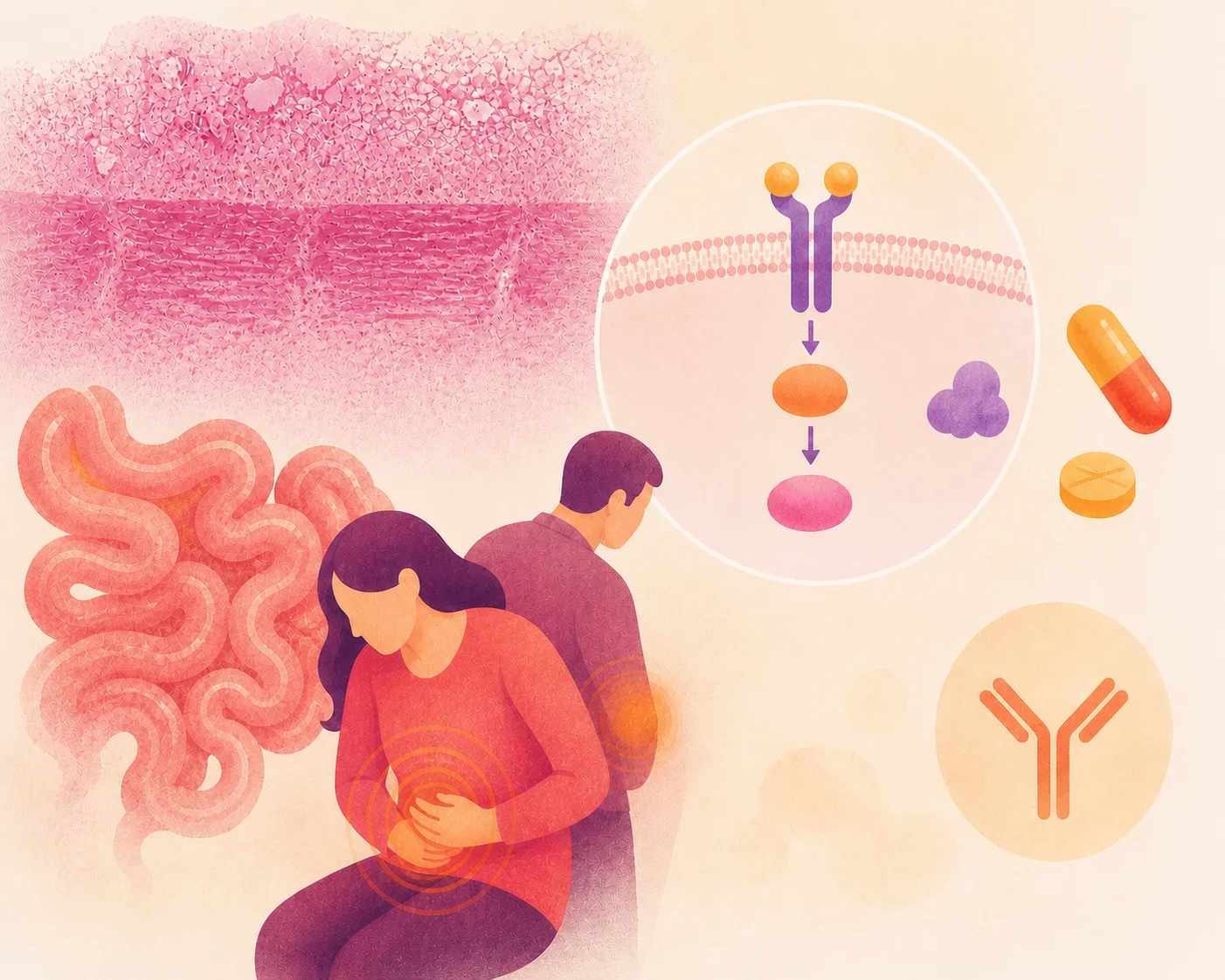
Insights into the expanding intestinal phenotypic spectrum of SOCS1 haploinsufficiency and therapeutic options
SOCS1 haploinsufficiency can cause severe intestinal diseases, including Crohn's disease and chronic intestinal pseudo-obstruction.
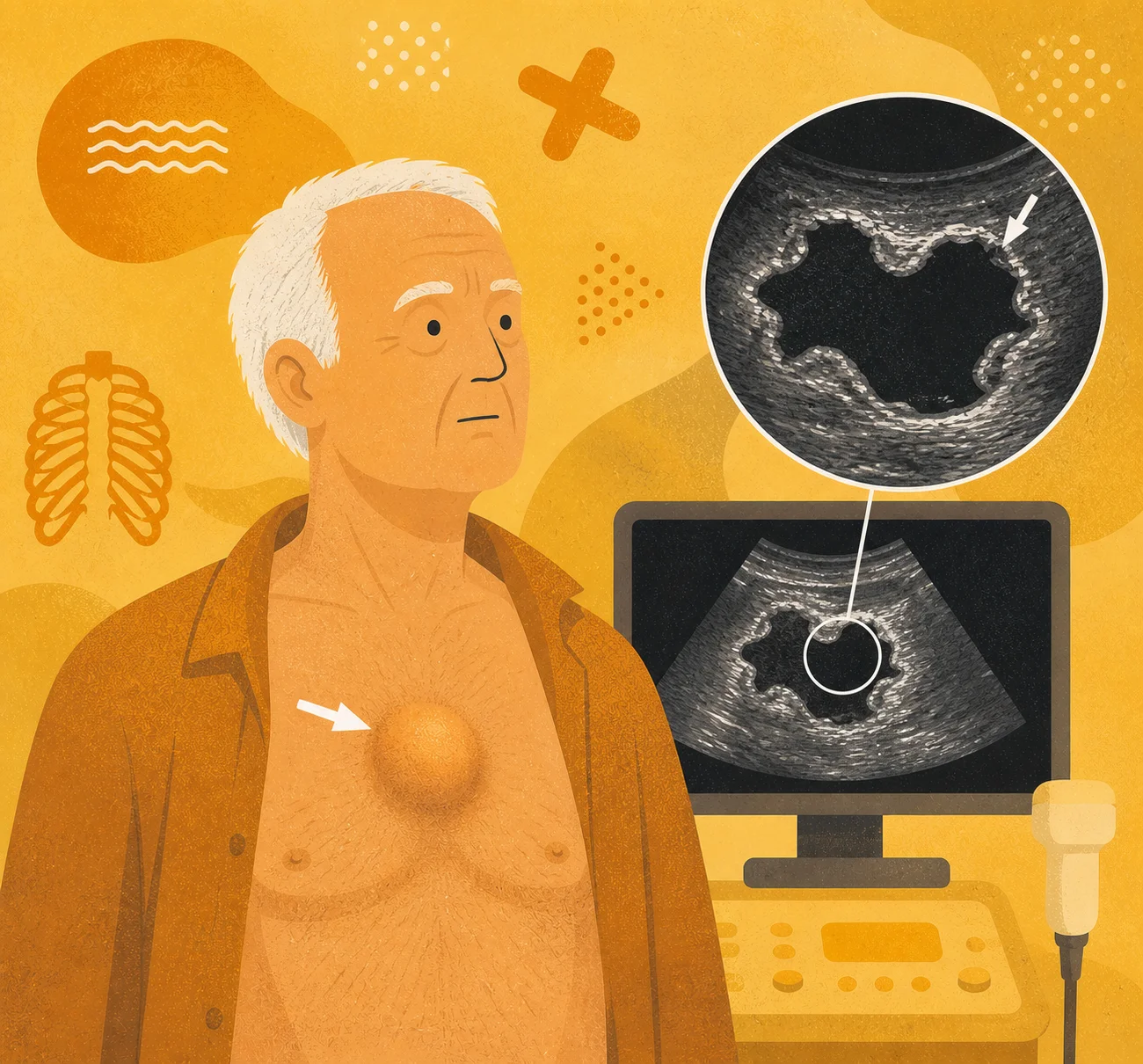
NR1D1::MAML3 Fusion in an Aggressive Mesenchymal Neoplasm
NR1D1-rearranged tumors are emerging aggressive mesenchymal neoplasms.
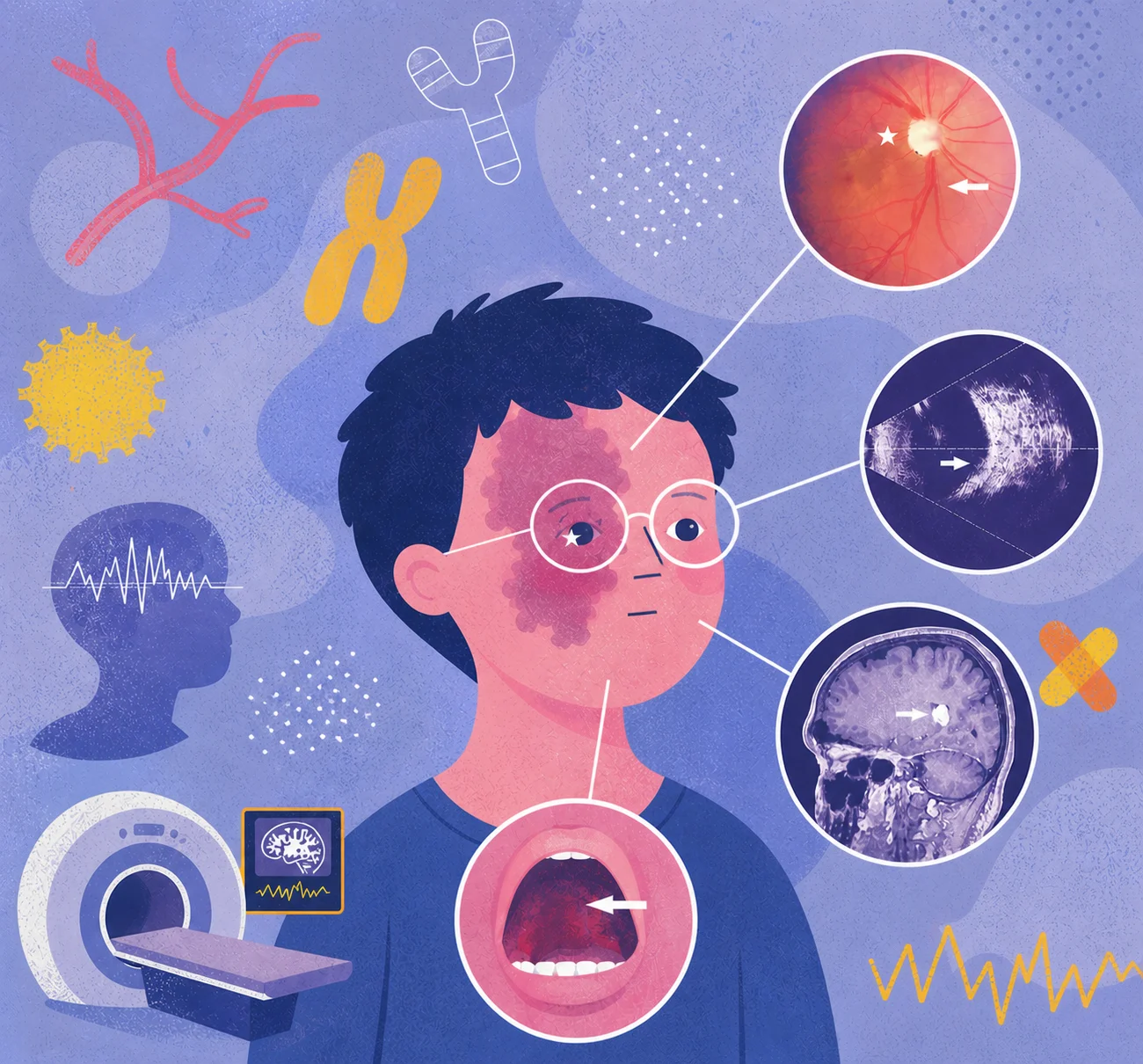
Late-Onset Status Epilepticus Associated With Isolated Leptomeningeal Angioma and Sturge-Weber Syndrome-Related GNA11 Pathogenic Variation
Some unexplained adult-onset epilepsies may have an underlying vascular-genetic origin.