



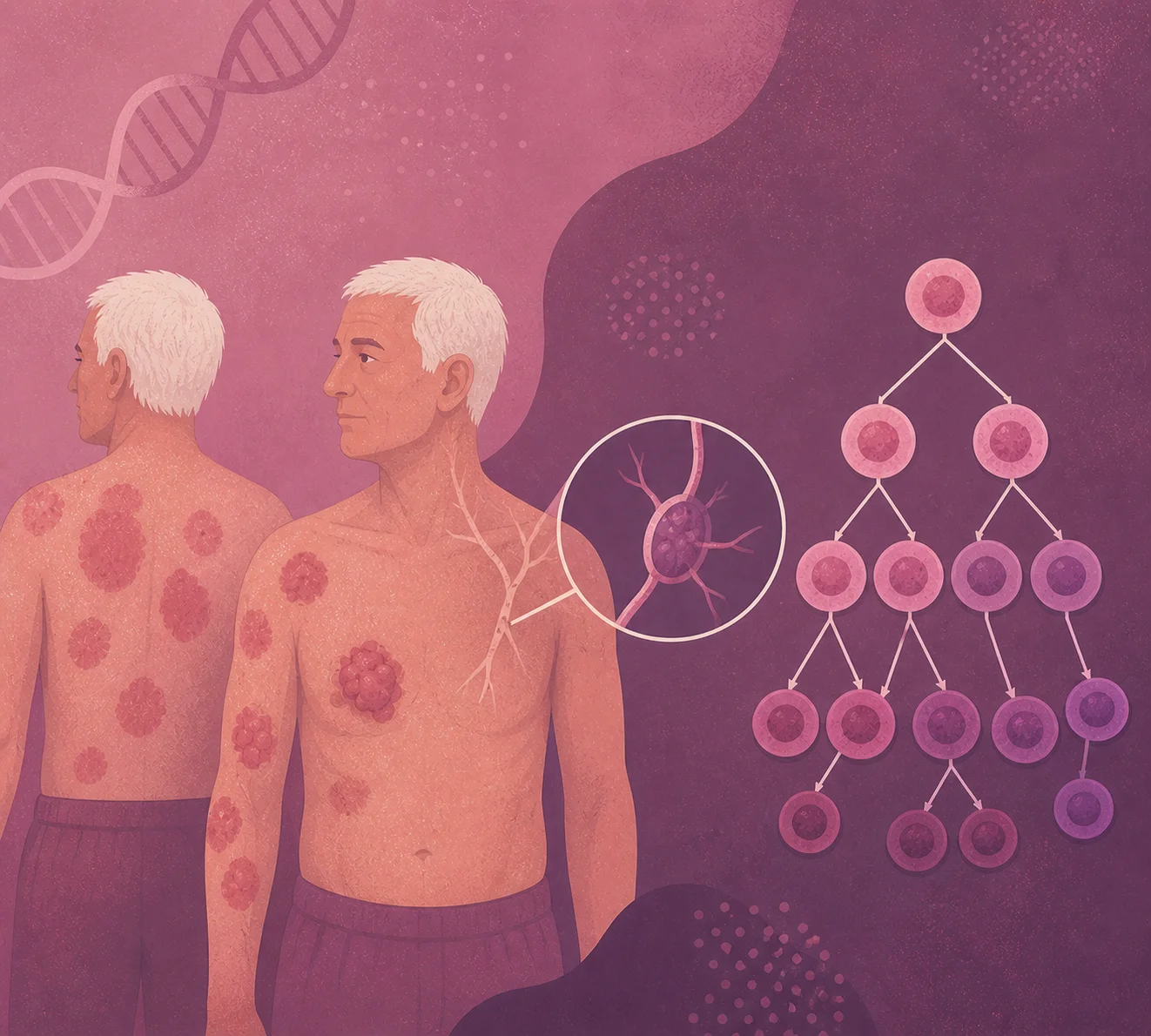
Mycosis fungoides with nodal progression harbors recurrent SOCS1 mutations and JAK2 rearrangements
In advanced Mycosis fungoides with nodal progression (ISCL-EORTC N3 stage), paired skin and lymph node analyses revealed marked intratumoral heterogeneity and branched evolution, while recurrent SOCS1 mutations and JAK2 fusions highlighted a central role for JAK/STAT pathway dysregulation.
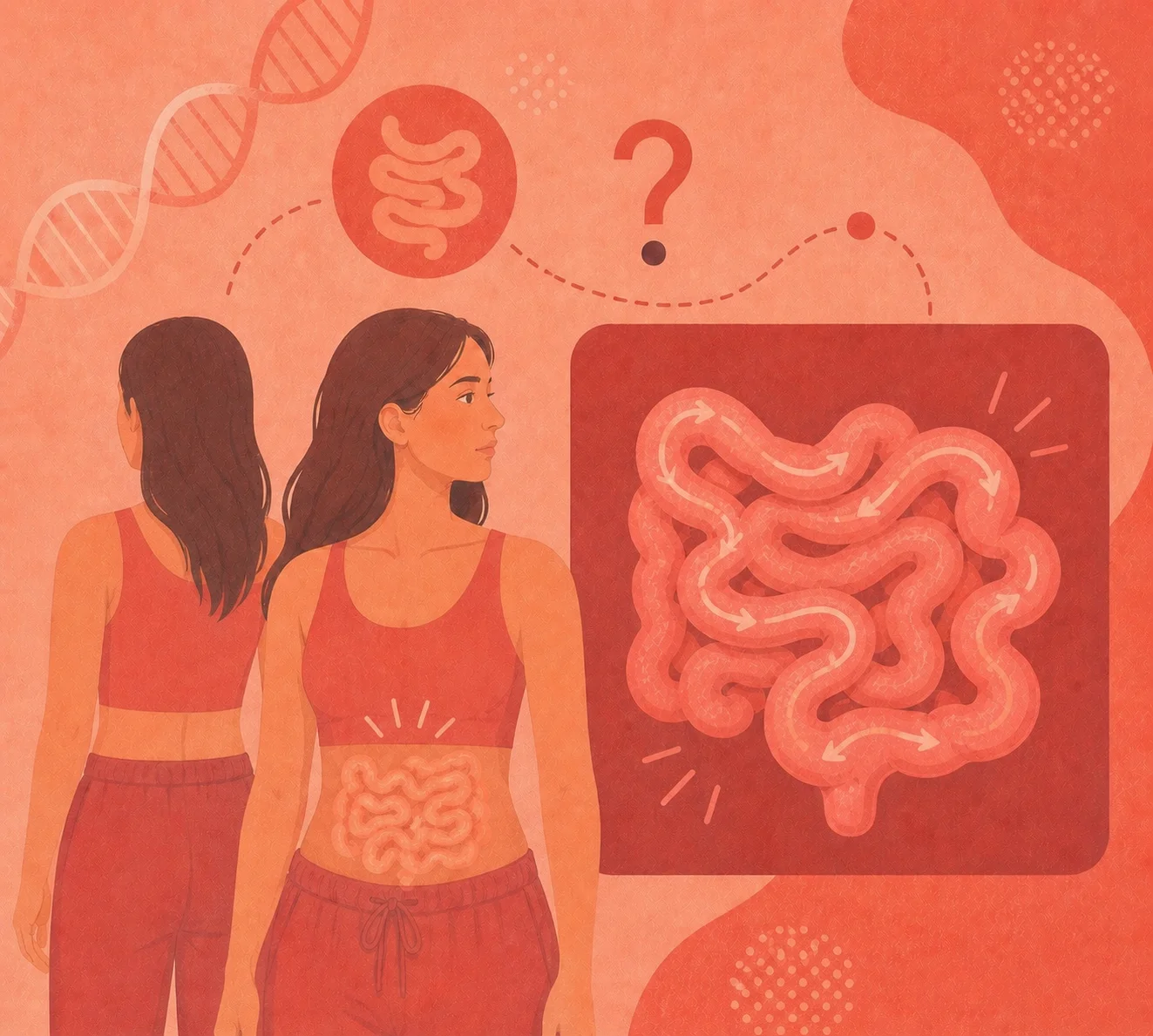
Histogenetic Classification Predicts Outcomes in 130 Adults With Chronic Intestinal Pseudo-Obstruction
Integrating genomic and histopathological data resolved 82% of idiopathic cases. Monogenic myopathy emerged as an independent predictor of favorable long-term survival.
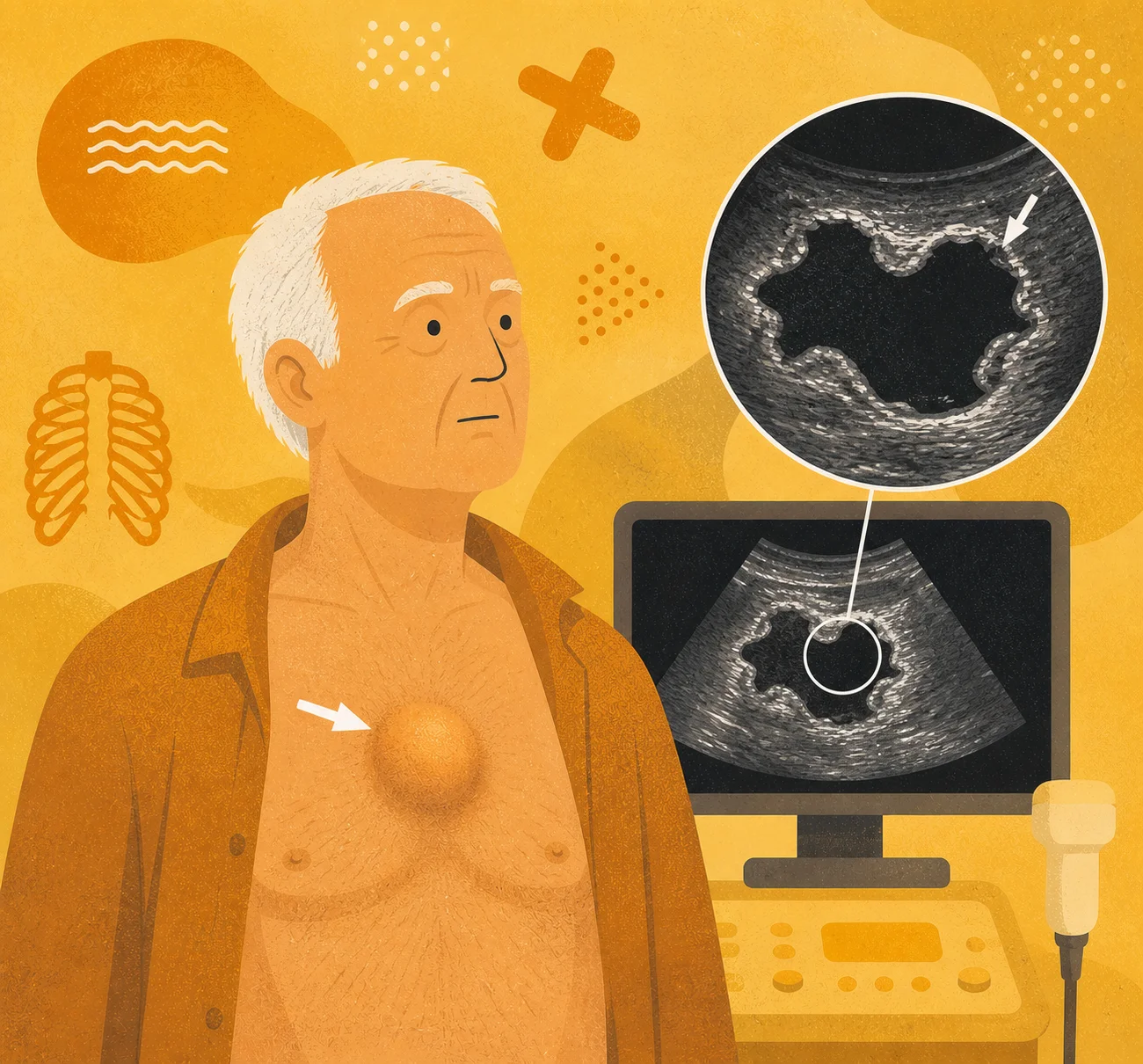
NR1D1::MAML3 Fusion in an Aggressive Mesenchymal Neoplasm
NR1D1-rearranged tumors are emerging aggressive mesenchymal neoplasms.

PFMG2025 — Integrating Genomic Medicine into the National Healthcare System in France
The 2025 French Genomic Medicine Initiative represents one of the first nationwide efforts to integrate whole genome sequencing into routine clinical care.
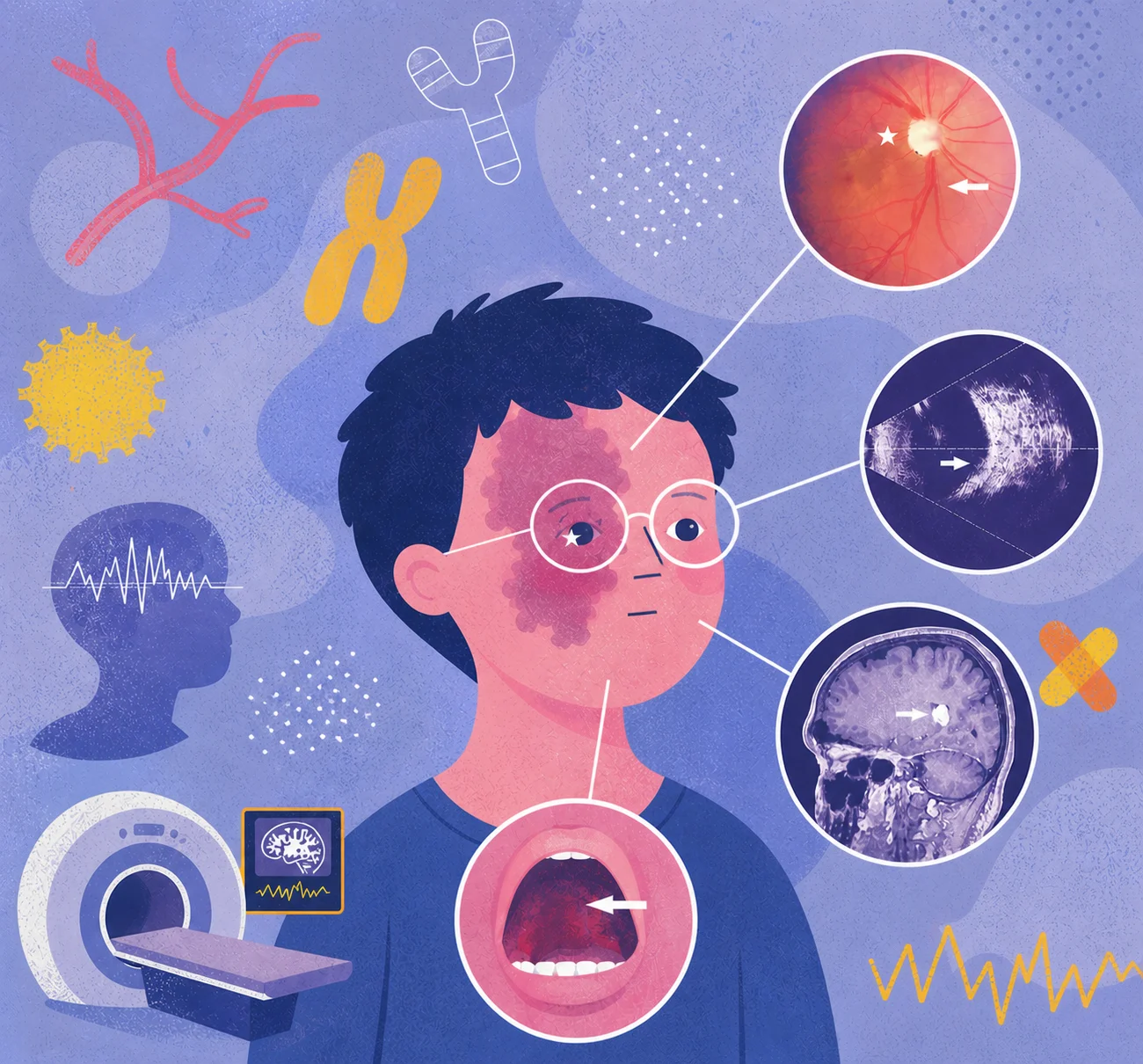
Late-Onset Status Epilepticus Associated With Isolated Leptomeningeal Angioma and Sturge-Weber Syndrome-Related GNA11 Pathogenic Variation
Some unexplained adult-onset epilepsies may have an underlying vascular-genetic origin.
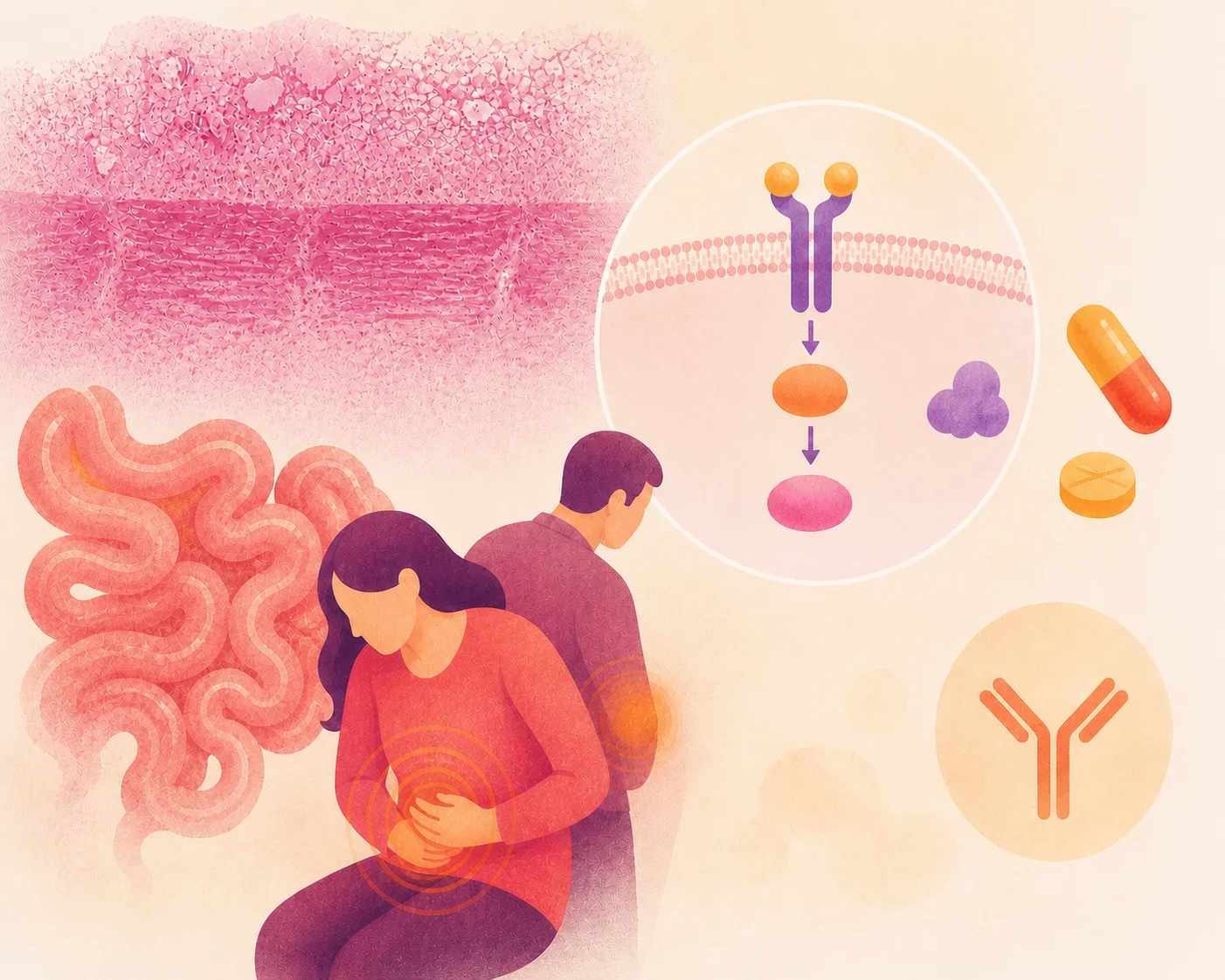
Insights Into the Expanding Intestinal Phenotypic Spectrum of SOCS1 Haploinsufficiency and Therapeutic Options
SOCS1 haploinsufficiency can cause severe intestinal diseases, including Crohn’s disease and chronic intestinal pseudo-obstruction.